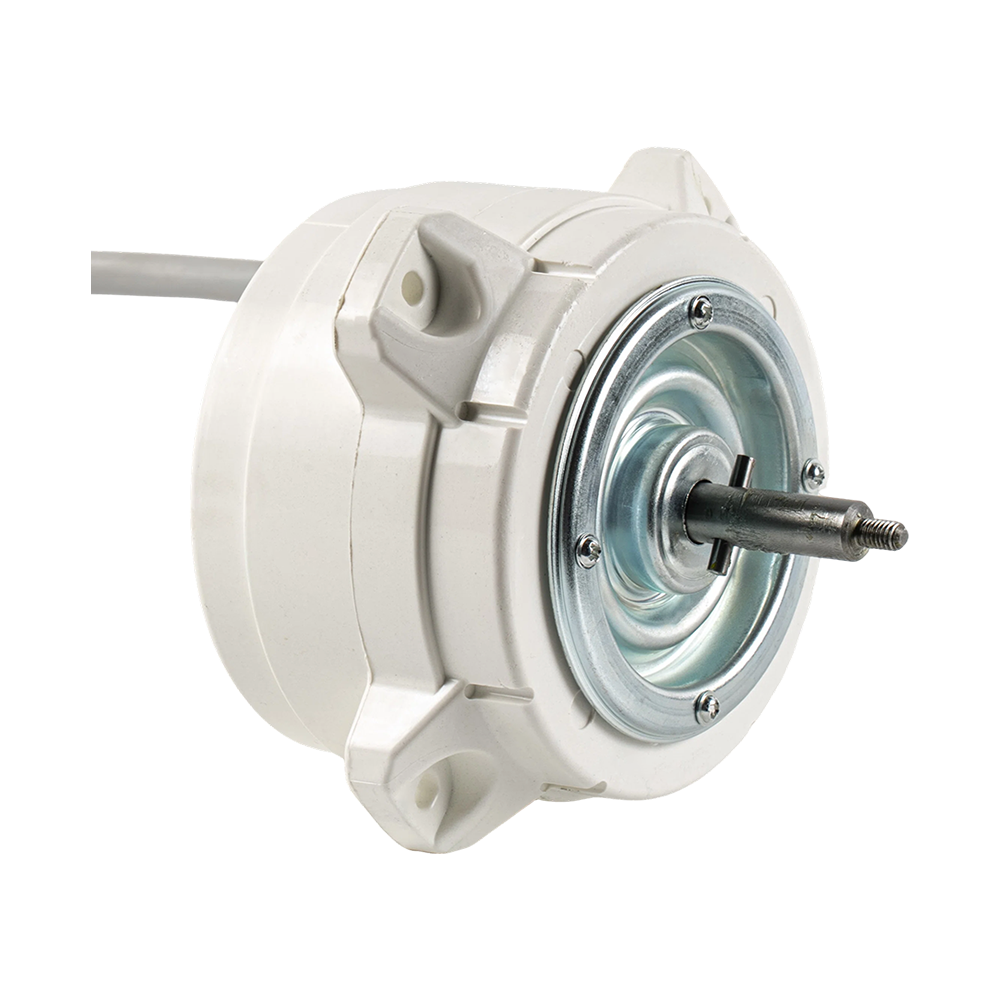
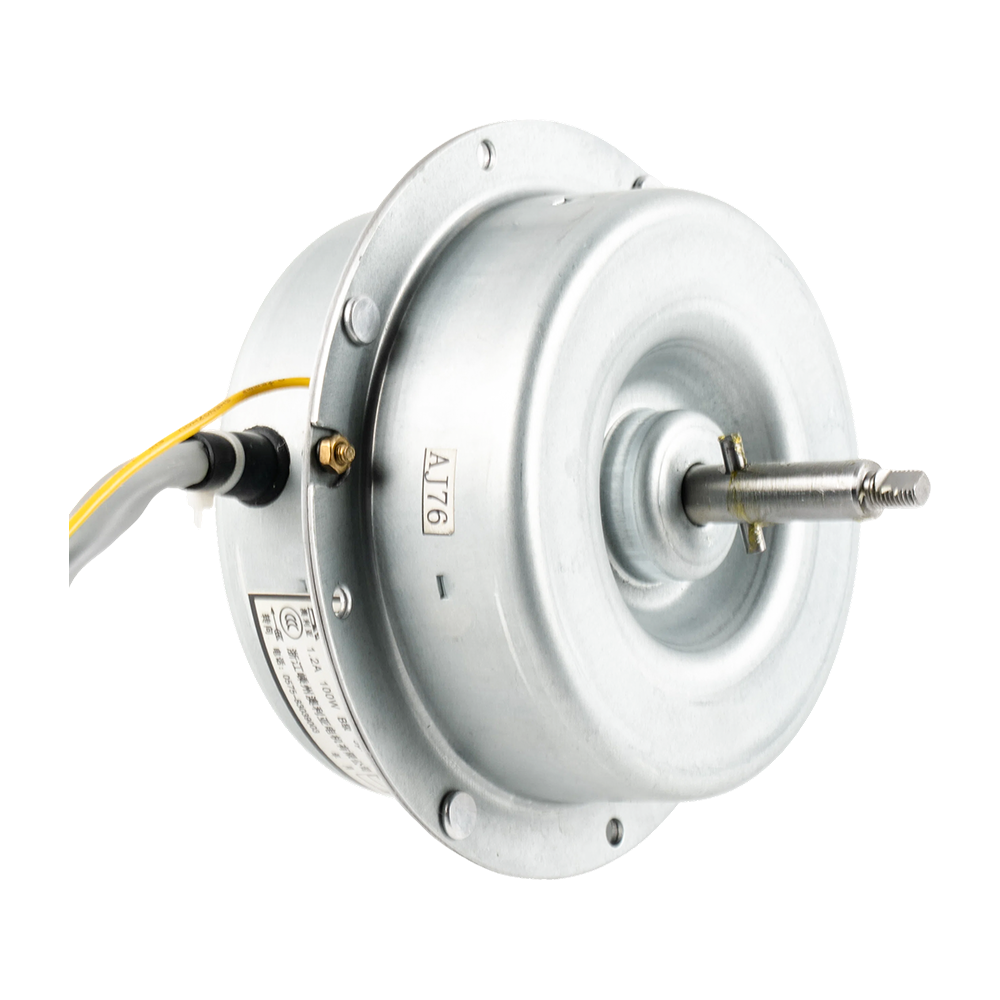
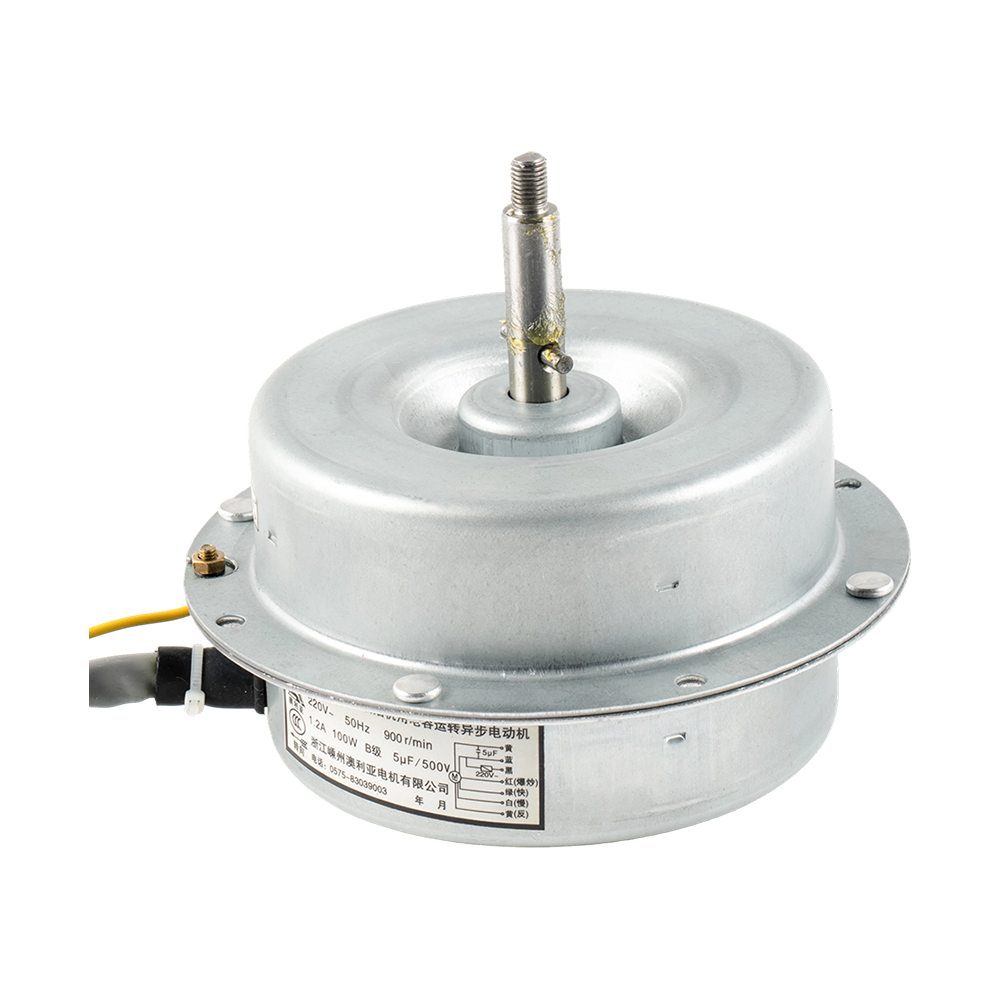
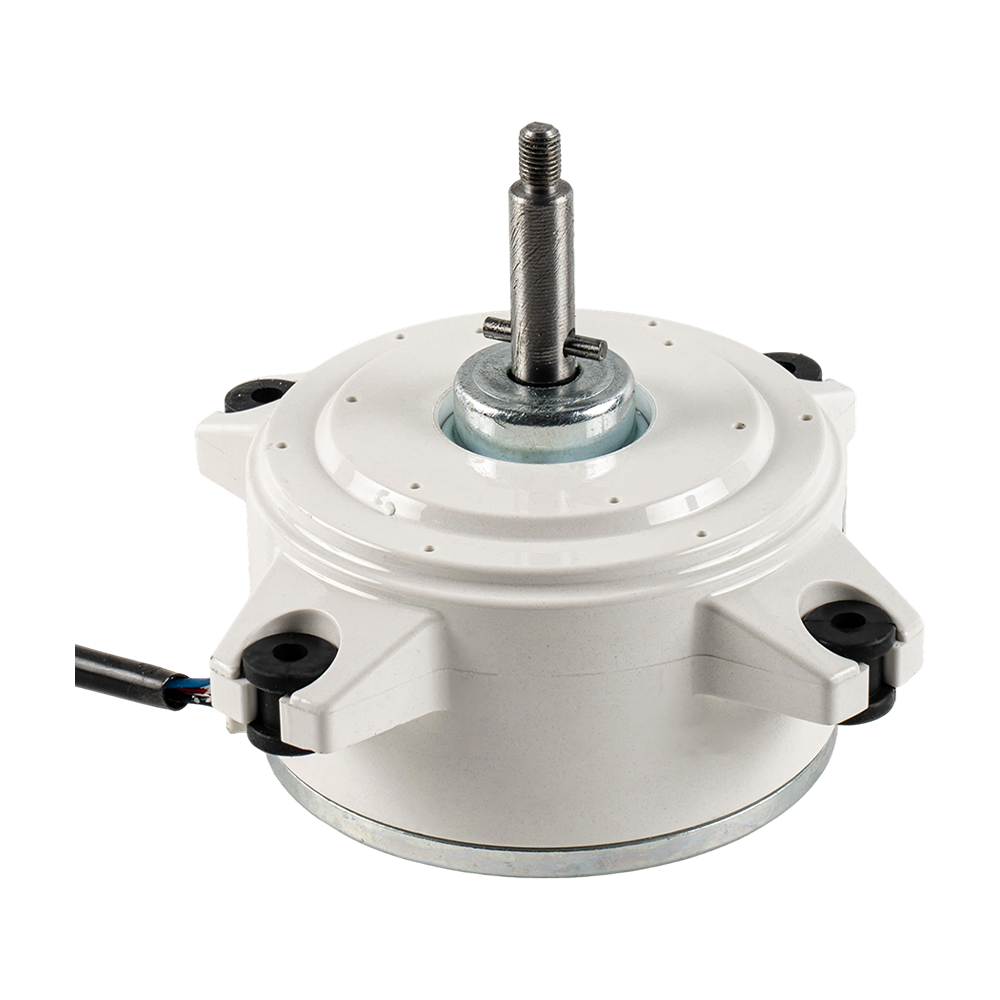
The Range Hood Motor is a key driving component of a range hood, primarily used to provide powerful suction to help remove smoke, steam, and odors from the kitchen, keeping the air fresh. The range hood motor typically consists of a fan, motor, and control system, effectively venting the cooking smoke through a duct system. As modern kitchen functions continue to evolve, range hood motors are no longer just simple driving devices but now feature low noise, high efficiency, and smart control, meeting the needs of both home and commercial kitchens.
Range hood motors can be classified into different types based on motor type and power, such as AC range hood motors, DC range hood motors, and brushless DC range hood motors. These motor types have distinct features and applications, meeting various requirements like kitchen space size, smoke extraction capacity, and energy efficiency.
The main features of range hood motors include: high efficiency, low noise, energy-saving, and long lifespan. Range hood motors are widely used in home kitchens, commercial kitchens, restaurants, hotels, and cafeterias, helping to achieve efficient air purification and a fresh environment in the kitchen.
Frequently Asked Questions (FAQ)
1. How does a range hood motor work?
The range hood motor drives the fan to create suction, pulling the smoke and steam from the kitchen into the range hood’s exhaust system and venting it outdoors, ensuring fresh air in the kitchen.
2. What’s the difference between a DC motor and an AC motor?
A DC motor offers higher energy efficiency and lower noise, making it ideal for kitchens with high energy-saving demands; while an AC motor is more common and suitable for traditional kitchen equipment, providing greater stability.
3. How do I choose the right range hood motor?
When selecting a range hood motor, consider factors such as kitchen size, frequency of use, and noise requirements. For small kitchens that need low noise, a DC or brushless motor might be best; for powerful smoke extraction, an AC motor or high-pressure motor might be more suitable.
4. Does the range hood motor require maintenance?
Yes, range hood motors require regular cleaning, especially the fan and exhaust ducts, to prevent grease buildup that can affect suction power and motor efficiency. Regular maintenance helps extend the motor's lifespan.
5. What are the advantages of a permanent magnet motor compared to other motors?
Permanent magnet motors use permanent magnets, offering higher efficiency, lower noise, and greater stability during long-term use, making them an ideal choice for energy-efficient range hoods.


 ENGLISH


 +86-18815287082